

Coffee Machine Buying Guide for Beginners in 2026
The best coffee machine for a beginner is the one you will use every morning without a learning curve you do not want.…



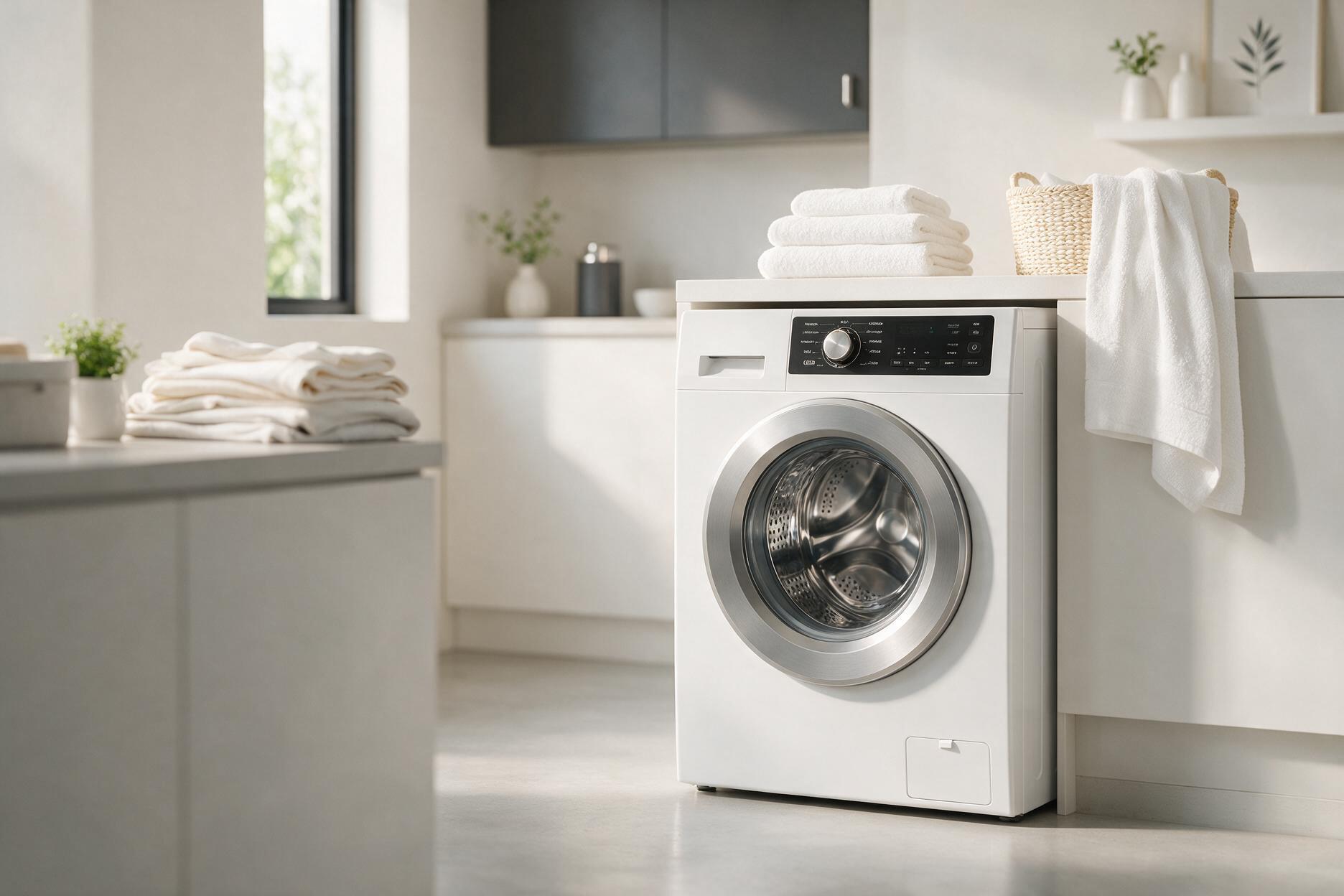
Buying a washing machine is no longer just about picking the cheapest model on the shelf. A good machine can save time, cut down on water and electricity use, protect your clothes, and make laundry day feel much less like a chore. With so many models and features available, it helps to know what actually matters before you spend your money.
This guide covers the most important washing machine features to compare so you can choose a model that fits your home, your laundry habits, and your budget.
Load capacity is one of the first specifications to check because it affects how much laundry you can wash in a single cycle. Washing machines are usually rated in kilograms, and the right size depends on household size and how often you wash clothes.
If the drum is too small, you will need to run more wash cycles. If it is too large, you may waste water and energy on half-empty loads. Choosing the right capacity helps you save both time and operating cost.
Modern washing machines include multiple wash programs for different fabrics and cleaning needs. These programs control drum movement, wash time, water level, and temperature so the cycle matches the type of laundry.
Common wash programs include:
If you wash different types of clothing, flexible wash programs are very useful. A quick wash is convenient for lightly worn clothes, while delicate modes help protect fabrics that need a gentler touch.
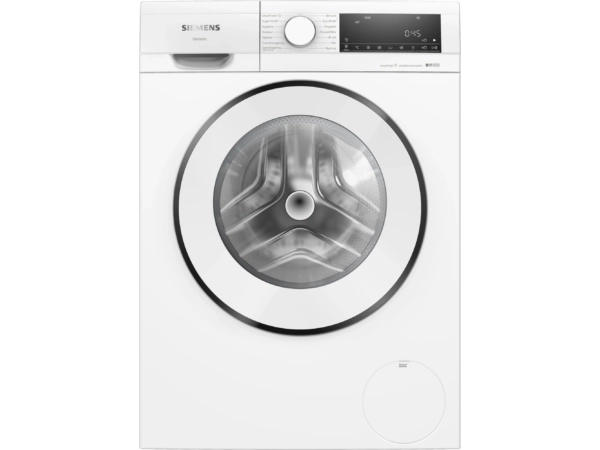
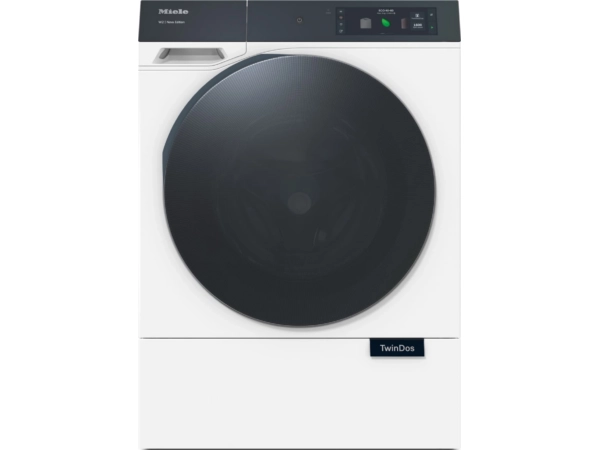
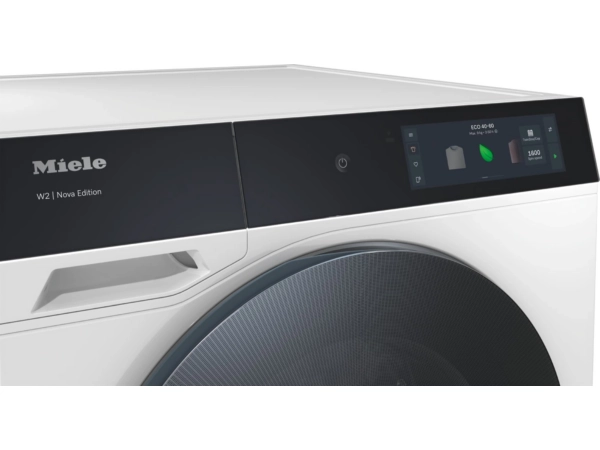
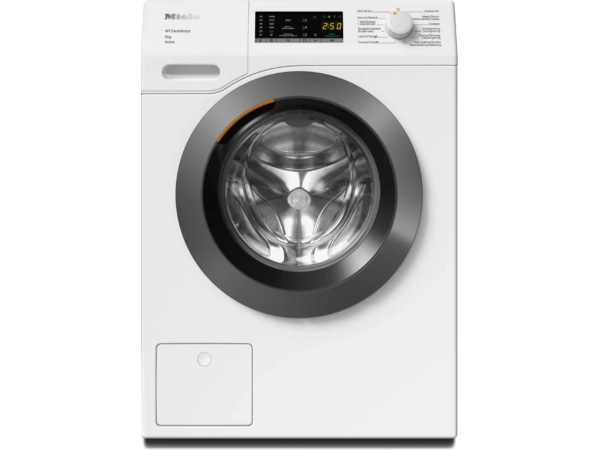
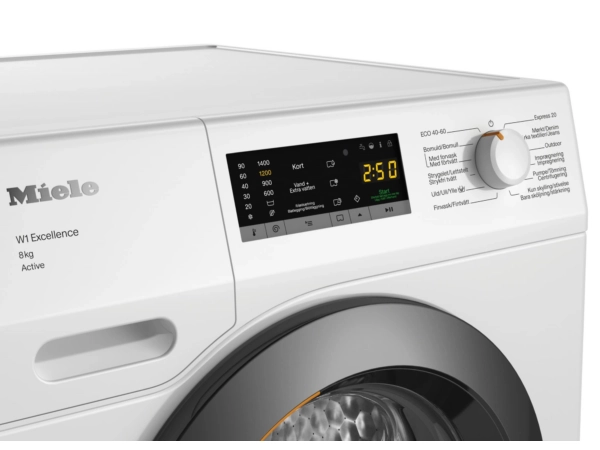
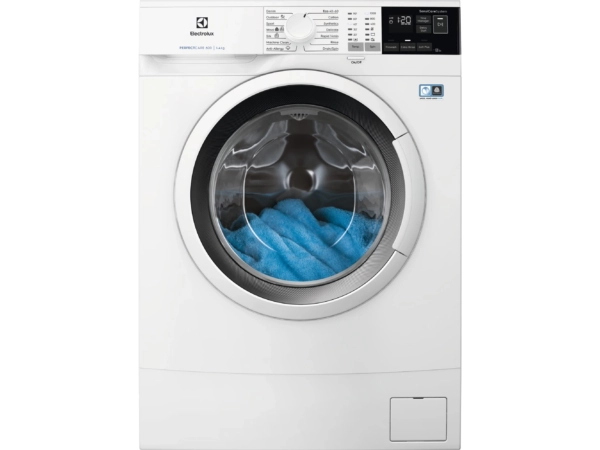
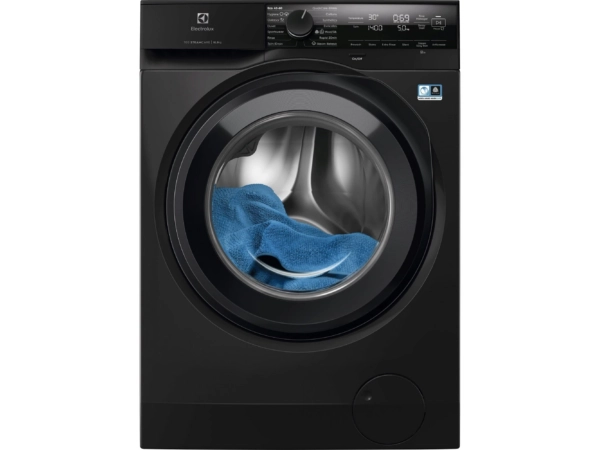
Energy efficiency matters because a washing machine is often used several times each week. An efficient model uses less electricity per cycle, and in some cases it also uses less water.
Look for an energy rating or efficiency label before you buy. A more efficient machine may cost a little more upfront, but it can reduce monthly running costs over time. This is especially important if your household does frequent laundry or if energy prices are high in your area.
Energy-saving features to look for include inverter motors, eco wash settings, and load-sensing technology that adjusts the cycle based on how full the drum is.
Water usage is another major factor, especially if you do laundry often. Some washing machines use a fixed amount of water per cycle, while others adapt water levels based on the load size.
Efficient machines may include sensors that detect how much water is needed for cleaning, which helps reduce waste. If you live in an area where water cost or water conservation matters, this feature can be a major advantage.
Front-load machines are often more water-efficient than traditional top-load models, but newer top-load machines with improved sensors can also perform well.
Spin speed controls how much water is removed from clothes at the end of the cycle. It is usually measured in revolutions per minute, or RPM.
If you air-dry clothes or live in a humid climate, a higher spin speed can be very helpful. On the other hand, if you wash fragile fabrics often, a lower spin setting may be the safer choice.
The machine style affects convenience, cleaning performance, space requirements, and water usage. Both front-load and top-load machines have advantages, so the better option depends on your priorities.
Front-load machines usually offer strong cleaning performance, better water efficiency, and gentler fabric care. They are a solid choice if you want lower utility use and do a lot of laundry. They may cost more, and cycle times can be longer, but they often deliver better long-term value.
Top-load machines are easy to load and unload, which is helpful if you want simple everyday use. They often have shorter wash cycles and can be more affordable. However, they may use more water and energy depending on the model.
If ease of use is your top priority, top load may be a better fit. If efficiency and fabric care matter most, front load is often the stronger choice.
An inverter motor adjusts power based on the laundry load instead of running at a constant speed all the time. That design can improve efficiency and reduce mechanical stress on the machine.
If you want a quieter machine that is built for long-term use, an inverter motor is one of the best features to look for.
Some washing machines now include smart features that connect to your phone or home network. These may include remote control, cycle monitoring, automatic alerts, or usage tracking through an app.
Smart features are not essential, but they can be helpful if you like convenience and control. They are especially useful for busy households that want to start, pause, or monitor laundry without standing beside the machine.
Before buying, check whether the smart functions are genuinely useful or just extra marketing. A well-built machine with strong core features is usually better than a machine with flashy extras you may never use.
The drum plays a major role in how clothes are washed and how long the machine lasts. Stainless steel drums are commonly preferred because they are durable, resistant to rust, and easy to maintain.
The shape and surface pattern of the drum also matter. Some machines use special drum textures or lift patterns that reduce friction, which helps protect clothes during the wash cycle.
If you often wash delicate garments, look for a drum design that is built to be gentle on fabrics while still giving a thorough clean.
Safety features are important for any home, especially if you have children. A child lock prevents accidental changes to settings while the machine is running.
Other helpful safety features may include:
These features give you peace of mind and help protect both the machine and your home.
A noisy washing machine can be annoying, especially if it is installed near a bedroom, study, or living area. Good noise control matters even more in apartments or compact homes.
Machines with inverter motors, stable drum systems, and better insulation usually run more quietly. Some models also include vibration reduction technology, which keeps the machine steady during spin cycles.
If noise is a concern, check the product specifications for low-noise operation, sound levels, or anti-vibration design before you make a final decision.
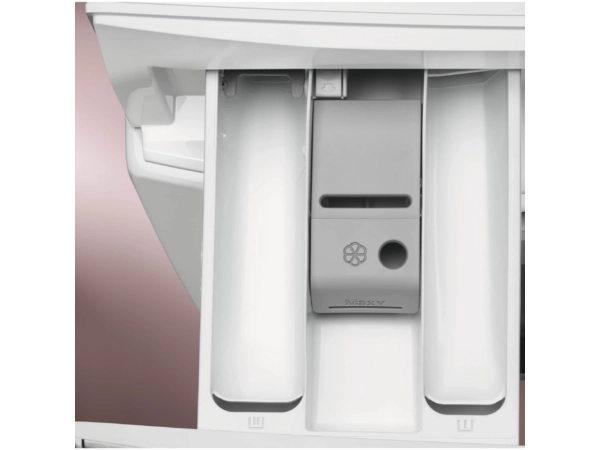
A good washing machine should be easy to maintain. Some models include self-cleaning cycles, lint filters, and removable detergent drawers that make regular upkeep simpler.
Easy maintenance helps the machine last longer and keeps it performing well. It also reduces buildup from detergent, lint, and moisture, which can cause unpleasant odors or reduce cleaning performance over time.
Features that support cleaning and maintenance are often overlooked, but they can save time and prevent problems later.
Temperature control is useful because different fabrics need different levels of heat. Some machines let you choose cold, warm, or hot water based on the type of clothes you are washing.
Cold washes are usually better for delicate items and everyday laundry. Warmer settings may help remove stains or sanitize clothing more effectively. Having temperature options gives you more control over both fabric care and cleaning performance.
Beyond capacity, the internal design of the drum can affect how practical the machine feels in daily use. A well-designed drum makes it easier to load large items and allows clothes to move freely during washing.
Look for models that make room for bulky fabrics such as towels, bed sheets, and blankets. If you regularly wash mixed loads, an interior that balances space and movement can improve cleaning results.
Warranty coverage and service support should always be part of the buying decision. Even a high-quality machine can need maintenance or repairs over time.
Check how long the warranty lasts, what parts are covered, and whether local service is easy to access. Good after-sales support can make ownership much easier and reduce stress if something goes wrong.
Before you choose a washing machine, take a few minutes to compare how you actually do laundry at home. That can help you focus on features that will matter in real life instead of paying extra for things you will rarely use.
The best washing machine is the one that matches your household size, laundry habits, space, and budget. Capacity, energy use, wash programs, spin speed, motor type, and safety features are some of the most important things to compare before buying.
Instead of focusing only on brand names or flashy extras, look at how each feature will affect your daily use. That way, you can choose a machine that saves time, protects your clothes, and delivers better value over the long run.
Tip: If you want this article formatted for a blog template, product page, or CMS field, you can keep the same WordPress block structure and add your site-specific classes later.

By subscribing you agree to our Terms & Conditions and Privacy & Cookies Policy.
