


Find the Perfect TV to Complete Your Dream Living Room
The right TV does more than play shows. It sets the scale of the sofa wall, the glow in the evening, and how…



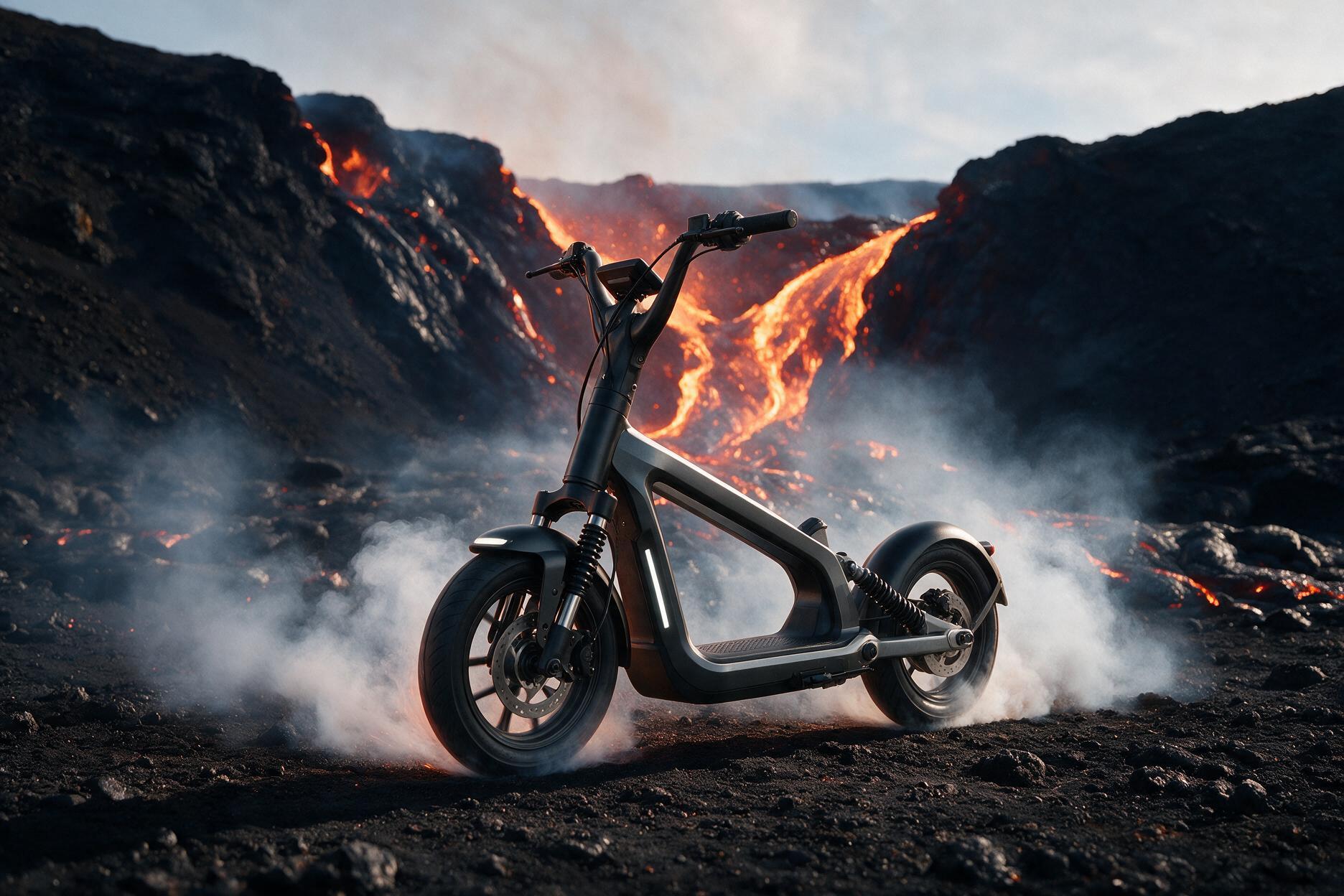
The best electric scooter is the one that matches the trip you actually take. A city commuter needs range, lights, and stable wheels. A campus rider needs something light, foldable, and easy to carry upstairs. A short-distance scooter can be simpler, cheaper, and still save a lot of walking.
This guide breaks down what to look for in each use case so you can choose an electric scooter for daily city rides, campus travel, or quick neighborhood trips without buying more scooter than you need.
Range, weight, tire size, brakes, and weather resistance matter more than top speed for most riders. A scooter that claims 40 km/h is less useful if the battery dies after a few hills or if the deck feels shaky on broken pavement.
Look for a realistic range, not the highest number on the box. Manufacturer range is usually tested in ideal conditions: light rider, flat ground, eco mode, and mild weather. For city and campus use, plan on about 60 to 70 percent of the claimed range. If a scooter is rated for 30 km, treat 18 to 22 km as a safer daily figure.
Also check weight. Anything under 15 kg is easier to carry onto a bus, into a dorm, or up apartment stairs. Heavier scooters can feel more stable at speed, but they become a problem the moment you have to lift them. Folding quality, latch strength, and a carrying handle are part of the product, not extras.
City scooters should be built for mixed pavement, traffic, and longer rides. The better city models use 8.5-inch to 10-inch tires, preferably pneumatic, because air-filled tires soak up cracks better than small solid wheels. Disc brakes or a mix of disc and electronic braking give more control in traffic than a rear fender brake alone.
Range is the first city filter. If your round trip is 8 to 15 km, look for a scooter with at least 25 to 35 km of claimed range. That buffer covers detours, wind, hills, and a weaker battery on cold mornings. Dual braking, bright headlights, rear lights, and side reflectors matter in city traffic, especially if you ride after work.
A city scooter also needs a solid stem and deck. Cheap folding joints can flex at 20 km/h and feel unsafe. IPX4 water resistance is a practical minimum for light rain. It is not a license to ride through deep puddles, but it helps if you get caught in a shower on the way home.
Speed around 20 to 25 km/h is enough for most urban paths and bike lanes. Faster scooters can be fun, but they drain the battery sooner and may not be legal on every path. Check local rules before you buy a high-speed model just because the spec sheet looks stronger.
If you commute every weekday, prioritize a removable or easily charged battery, cruise control for longer bike-lane stretches, and a phone app that shows remaining range. A slightly heavier commuter scooter is acceptable if you rarely carry it. Stability beats portability when the ride is 20 minutes each way.
Campus scooters have a different job. The ride is usually short, the storage problem is bigger, and you may carry the scooter into classes, libraries, or dorm rooms. Weight and fold size come first. A 12 kg to 16 kg scooter with a compact fold is easier to live with than a long-range tank.
Look for a model that folds quickly with one latch and stands on its own. Students often park in crowded halls or lock scooters near bike racks. A smaller deck and narrower handlebar make it easier to weave around pedestrians. Just keep speed modest. Campuses are mixed spaces with walkers, bikes, and sudden stops.
Battery needs are lower than a full city commute. Many campus loops are 2 to 6 km a day. A scooter with 15 to 25 km of claimed range is usually enough if you charge it a few times a week. A lighter battery also keeps the whole scooter easier to carry up stairs when elevators are busy.
Punctures and theft are the two campus headaches. Solid tires reduce flats, which is useful if you do not want to fix inner tubes between lectures. Pneumatic tires ride better, but they need more care. A lock point, an alarm, and a scooter that is not too expensive to replace are all part of a campus buying decision.
Quiet motors and decent brakes matter more than sport mode. You want smooth takeoff from a walkway, not a sudden burst that surprises people around you. If the campus has hills, check climbing rating and motor wattage. A 250W class scooter can struggle on steep paths with a heavier rider. A 350W to 500W motor is a safer campus all-rounder.
Short-distance scooters are for errands, last-mile trips from a bus or train, and neighborhood rides under 5 km. This is where budget models make the most sense. You do not need dual motors, huge batteries, or 40 km of range. You need something that starts easily, folds in a hallway, and gets you to the shop without turning into a project.
A simple single-motor scooter with 15 to 25 km of claimed range, a clear display, and reliable rear braking is enough for most short trips. Solid or honeycomb tires are attractive here because they need less maintenance. The ride will be firmer, but for a few blocks that trade-off is often worth it.
Keep the top speed around 20 km/h. Short-distance riding happens on sidewalks, shared paths, and quiet streets. Control is more important than speed. A lower, wider deck helps beginners feel stable. Cruise control is optional. A bell, lights, and a mudguard are not.
Charging convenience matters more than peak power. If the scooter lives in an apartment, a compact charger and a battery that tops up overnight is ideal. Avoid oversized performance scooters for this job. They cost more, weigh more, and spend most of their battery unused.
Choose a city scooter if your daily ride is longer, includes mixed traffic, or replaces a bus hop across town. You want more range, bigger tires, stronger brakes, and better lights. Extra weight is acceptable because you will ride it more than you carry it.
Choose a campus scooter if you need to fold it often, carry it indoors, or park it in tight spaces. You want lower weight, a smaller folded size, enough range for a few campus loops, and simple maintenance. Speed is secondary.
Choose a short-distance scooter if you mostly travel a few kilometers at a time. You want a lower price, easy charging, and a beginner-friendly feel. It can be the best first scooter, and it can stay useful later as a backup or last-mile option.
If your week includes all three, buy for the hardest trip. A rider who commutes across the city twice a week and also rides around campus should buy the city-capable scooter, then accept that it is a bit heavier to carry. Buying too small and running out of battery is more frustrating than carrying extra kilograms a few times a week.
Brakes come first. Electronic braking alone is not enough for wet city streets. A mechanical disc or drum brake at least on one wheel gives you a backup if the motor cut-off feels weak. Test the lever feel in the store if you can. A spongey brake on a floor model will not improve at home.
Tires decide comfort. Small hard tires transmit every crack into your wrists and knees. Wider pneumatic tires are better for city pavement. Self-healing or tubeless setups reduce puncture drama. For campus and short trips, puncture-proof tires can be the smarter daily choice even if the ride is a little harsher.
Lights, reflectors, and a visible stem display help in traffic and at dusk. A scooter without a proper headlight is a daytime-only toy. Water resistance, a sturdy folding latch, and a weight rating that matches the rider are the other details that separate a usable commuter from a gadget that stays in the hallway.
Battery quality is hard to judge from a sticker, so use warranty and service as a proxy. A local store that can replace a battery, latch, or tire is worth more than a slightly cheaper import with no parts. For an electronics store buyer, after-sales support should sit next to range on the checklist.
Wear a helmet even on a 10-minute ride. Wrist guards help new riders who are still learning to step off. Ride at a speed you can stop from, especially on shared paths. Keep both hands on the bar, and do not ride with a backpack so heavy that the stem feels light.
Local rules vary by city. Some places limit speed, ban sidewalk riding, or require lights after dark. Campus rules can be stricter than city rules. Before you buy a fast dual-motor scooter for a 2 km campus hop, check whether you will even be allowed to use it there.
Charge on a hard surface, use the original charger, and do not leave a damaged battery in a bag. Most commuting scooters are safe when treated like any other lithium device. Poor charging habits are a bigger risk than the scooter itself.
A short-distance or campus scooter can make sense in the entry and mid-entry range, as long as the brakes, latch, and battery come from a brand with spare parts. City commuters should budget more for tires, range, and weather resistance. The cheapest scooter is rarely the cheapest to own if you replace tubes, latches, and chargers within a year.
Spend extra on the parts you will feel every day: wheels, brakes, and folding hardware. Save money on app features, RGB decks, and extreme top speed if your rides are short. A reliable 20 km/h scooter that starts every morning beats a 35 km/h scooter that sits unused because it is too heavy to take outside.
What is the best electric scooter for city commuting? The best city scooter has enough real-world range for your round trip, 8.5-inch or larger tires, proper lights, and a brake you trust in traffic. Stability and battery buffer matter more than the highest speed rating.
What is the best electric scooter for campus? Choose a lighter folding scooter that you can carry indoors. Look for a compact fold, modest speed, enough range for a few campus loops, and tires that will not leave you stranded with a flat between classes.
How far can an electric scooter go on one charge? Claimed range is often optimistic. For daily planning, use about two-thirds of the official number, then leave extra for hills, cold weather, and a heavier backpack.
Are cheap electric scooters good for short trips? They can be, if the brakes, charger, and folding latch feel solid. Short-distance travel is the best place for a simpler scooter. Skip ultra-cheap models with no water resistance and no spare parts support.
Is a faster scooter always better? No. Extra speed uses more battery, needs better brakes, and may be restricted on campus or bike paths. For city, campus, and short-distance travel, control and range usually beat a higher top speed.
The best electric scooter for city, campus, and short-distance travel is not one model for everyone. City riders should buy range, tires, and lights. Campus riders should buy low weight and a fold they will actually use. Short-distance riders should buy simple, affordable, and easy to charge.
Measure your real trip, not the spec sheet. If the scooter can cover that distance with battery left over, fold when you need it, and stop quickly in a crowd, it is the right one. That is how an electric scooter becomes daily transport instead of a gadget in the corner.


By subscribing you agree to our Terms & Conditions and Privacy & Cookies Policy.