

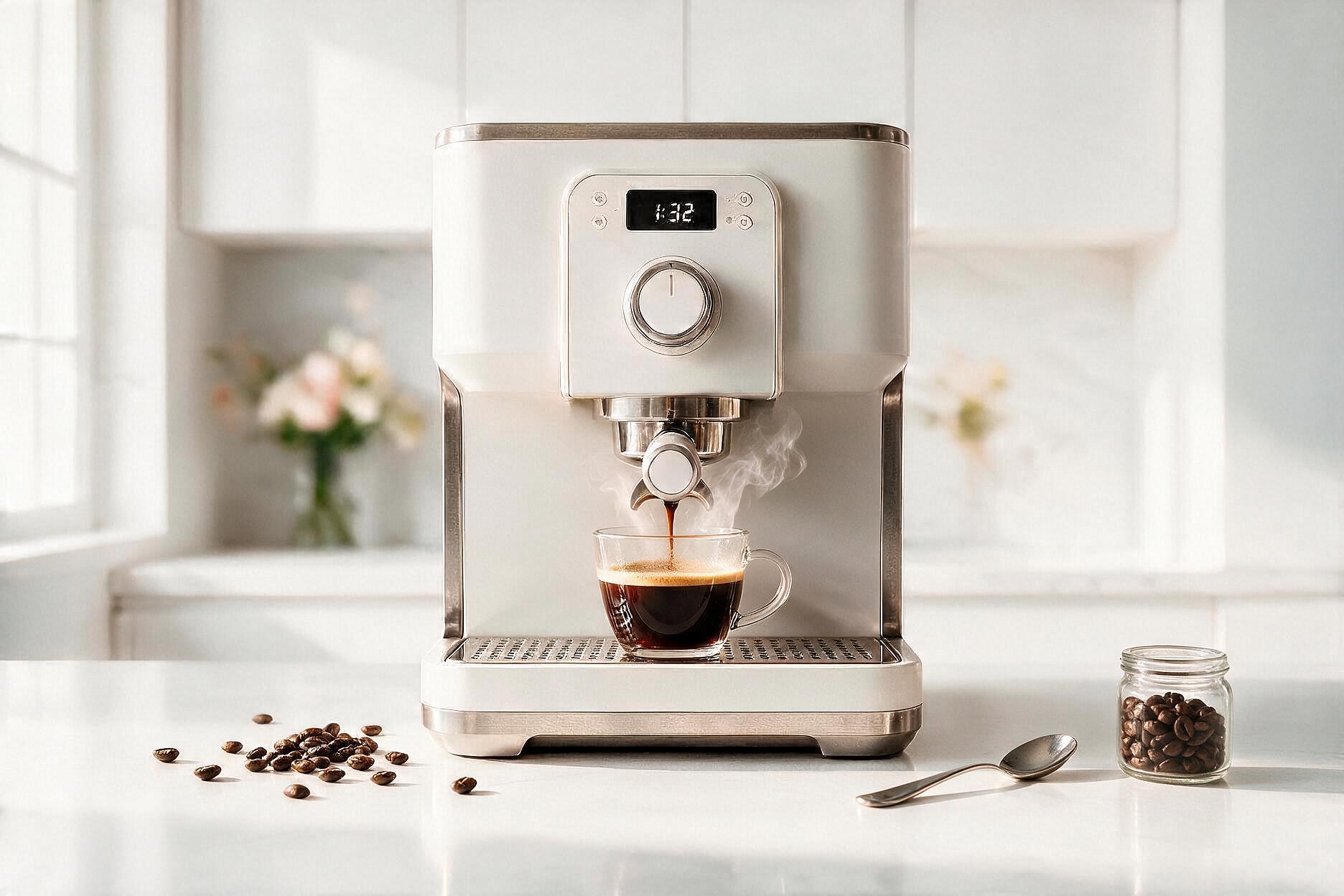
Coffee Machine Buying Guide for Beginners in 2026
The best coffee machine for a beginner is the one you will use every morning without a learning curve you do not want.…



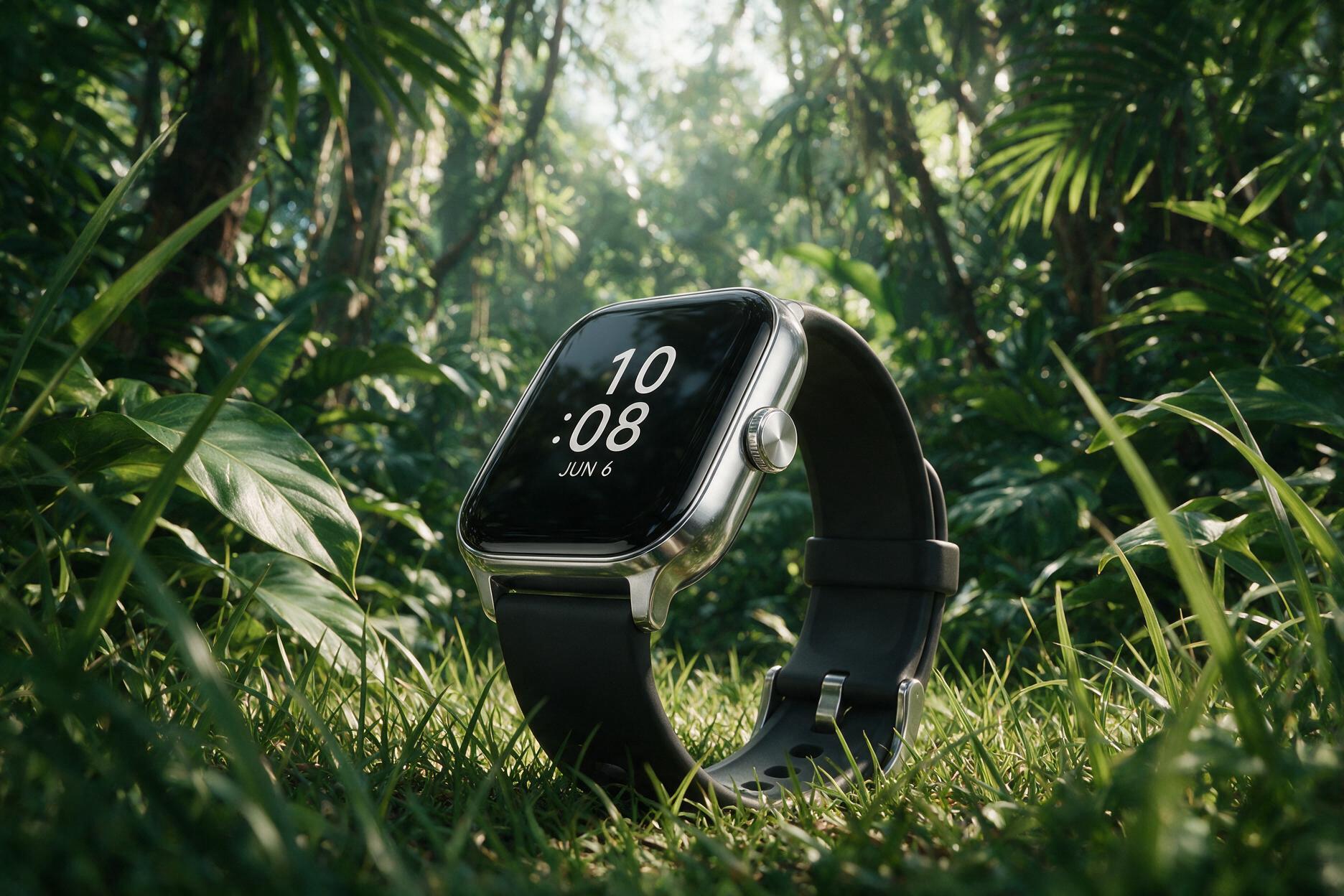
If you are trying to decide between a smartwatch and a fitness tracker, the right choice depends on how you plan to use it every day. Smartwatches focus on connectivity, app support, and phone-like convenience. Fitness trackers focus more on health, activity tracking, and battery life.
This guide compares smartwatch vs fitness tracker features in a simple, practical way so you can choose the best wearable for your lifestyle, budget, and goals.
A smartwatch is a wearable device that gives you many of the functions of a smartphone on your wrist. Depending on the model, it can show notifications, answer calls, run apps, control music, track workouts, monitor health metrics, and even support mobile payments. Smartwatches are usually the better choice if you want convenience, smart features, and a more complete digital experience. They are built for people who want to stay connected without checking their phone all the time.
A fitness tracker is a wearable device focused mainly on activity and health tracking. It usually counts steps, monitors heart rate, tracks sleep, and records workouts. Some models add basic notifications or simple smart functions, but the main goal is fitness and wellness. Fitness trackers are often slimmer, lighter, and more affordable than smartwatches. They also tend to have much better battery life, which makes them ideal for people who want simple and reliable tracking without constant charging.
One of the biggest differences between the two is the screen. Smartwatches usually have larger, brighter, and more interactive displays. That makes them easier to use for notifications, app controls, maps, and messages.
Fitness trackers usually have smaller screens with a more compact design. This makes them lighter and more comfortable for all-day wear, especially if you do not want something bulky on your wrist.
If style and screen quality matter to you, a smartwatch has the advantage. If you prefer something minimal and lightweight, a fitness tracker may be the better fit.
Battery life is where fitness trackers usually win. Many can last several days or even a week or more on a single charge, depending on the model and usage.
Smartwatches often need charging more frequently because they have brighter displays, more sensors, and more software features. Some premium models have improved battery management, but they still tend to fall short of the average fitness tracker.
If you hate charging devices often, battery life alone may push you toward a fitness tracker.
Both devices can track key health and fitness data, but fitness trackers are usually more focused on this area. Most offer step counting, calorie estimates, heart rate monitoring, sleep tracking, and workout modes.
Smartwatches also include these features, but they often go beyond fitness with extra functions such as app support, voice assistants, and mobile notifications. If your main goal is to improve your workouts or daily movement, a fitness tracker can give you everything you need without the extra cost.
This is where smartwatches stand out. Many allow you to receive and reply to messages, answer calls, use navigation, install apps, and manage music directly from your wrist.
Some smartwatches also support contactless payments, voice commands, and advanced integrations with your phone. These features make them useful for people who want to stay connected while commuting, working, exercising, or traveling.
Fitness trackers may include notification alerts, but they usually do not offer the same level of interaction. If you want a device that does more than health tracking, a smartwatch is the clear winner.
Fitness trackers are generally lighter and less noticeable on the wrist. That makes them a strong choice for people who plan to wear the device all day and night, especially for sleep tracking.
Smartwatches are often larger and heavier because of the bigger display and extra hardware. Some people like the premium feel, but others may find them less comfortable for long wear.
If all-day comfort is your top priority, a fitness tracker is often easier to live with.
Fitness trackers usually cost less than smartwatches. That makes them a great option for first-time buyers, students, or anyone who wants health tracking without a large upfront cost.
Smartwatches can be more expensive because they include better displays, stronger processors, app support, and more advanced features. For some users, that extra cost is worth it. For others, it is not necessary.
The best value depends on how much of the feature set you will actually use. If you only want activity tracking, there is no need to pay for a full smartwatch.
If staying connected is important to you, a smartwatch is usually the better option. You can often read messages, take calls, and respond to alerts directly from the watch.
Fitness trackers may show notifications, but the interaction is usually limited. They are useful for quick awareness, but not for full communication or multitasking.
People who work in fast-paced environments or who want to keep their phone in a pocket or bag will usually prefer the smartwatch experience.
Both types of devices can work well for exercise, but the right choice depends on how serious you are about training.
Fitness trackers are often better for basic walking, running, calorie tracking, and general movement goals. They are simple, efficient, and easy to use.
Smartwatches can be better for users who want more detailed workout data, GPS features, music control, or access to multiple training apps. If you want one device for both fitness and smart functions, a smartwatch may be the better long-term investment.
Sleep tracking is one of the most popular reasons people buy wearables. Fitness trackers are often excellent for this because they are light, comfortable, and have long battery life, which makes them easier to wear overnight.
Smartwatches can also track sleep, but their larger size may make them less comfortable for some users. If sleep insights are a priority and you want a simple all-night device, a fitness tracker has a strong advantage.
Smartwatches usually offer more customization options, including watch faces, apps, and premium-looking materials. They often feel more like a mini smartphone or a modern digital accessory.
Fitness trackers are more functional and understated. Some models still look stylish, but they generally focus more on simplicity than fashion.
If you want a device that can double as a style piece, a smartwatch may be the better option. If you want something subtle, a fitness tracker may suit you better.
Choose a smartwatch if you want a wearable that does more than count steps. It is the better choice if you want smart notifications, app support, calls, maps, contactless payments, and stronger phone integration.
Choose a fitness tracker if your priority is health and activity tracking without paying for extra features you may not use. It is lighter, simpler, and usually better for battery life.
Before you make a purchase, think about your daily routine. If you mostly want to track steps, workouts, and sleep, a fitness tracker is usually enough. If you want more control over notifications, communication, and apps, a smartwatch gives you more flexibility.
It also helps to compare battery life, comfort, phone compatibility, and app ecosystem. These factors matter just as much as the feature list on the box.
A smartwatch is better if you want smart features like calls, messages, apps, and payment support. A fitness tracker is better if you want simple health tracking, longer battery life, and a lower price.
Fitness trackers usually last longer on a single charge because they have smaller screens and fewer power-hungry features.
Yes. Fitness trackers are often excellent for walking, running, sleep tracking, heart rate monitoring, and general activity tracking. They are designed for that purpose.
If you only want to see alerts, a fitness tracker may be enough. If you want to reply, call, or interact with notifications, a smartwatch is the better option.
There is no single best choice for everyone. Smartwatches are better for users who want more features and connectivity. Fitness trackers are better for users who want simple, affordable, and reliable health monitoring.
If you want the most complete experience, go with a smartwatch. If you want practical fitness tracking with less charging and lower cost, choose a fitness tracker.

By subscribing you agree to our Terms & Conditions and Privacy & Cookies Policy.
