
Smartwatch vs Fitness Tracker: Which One Should You Buy?
If you are trying to decide between a smartwatch and a fitness tracker, the right choice depends on how you plan to use…



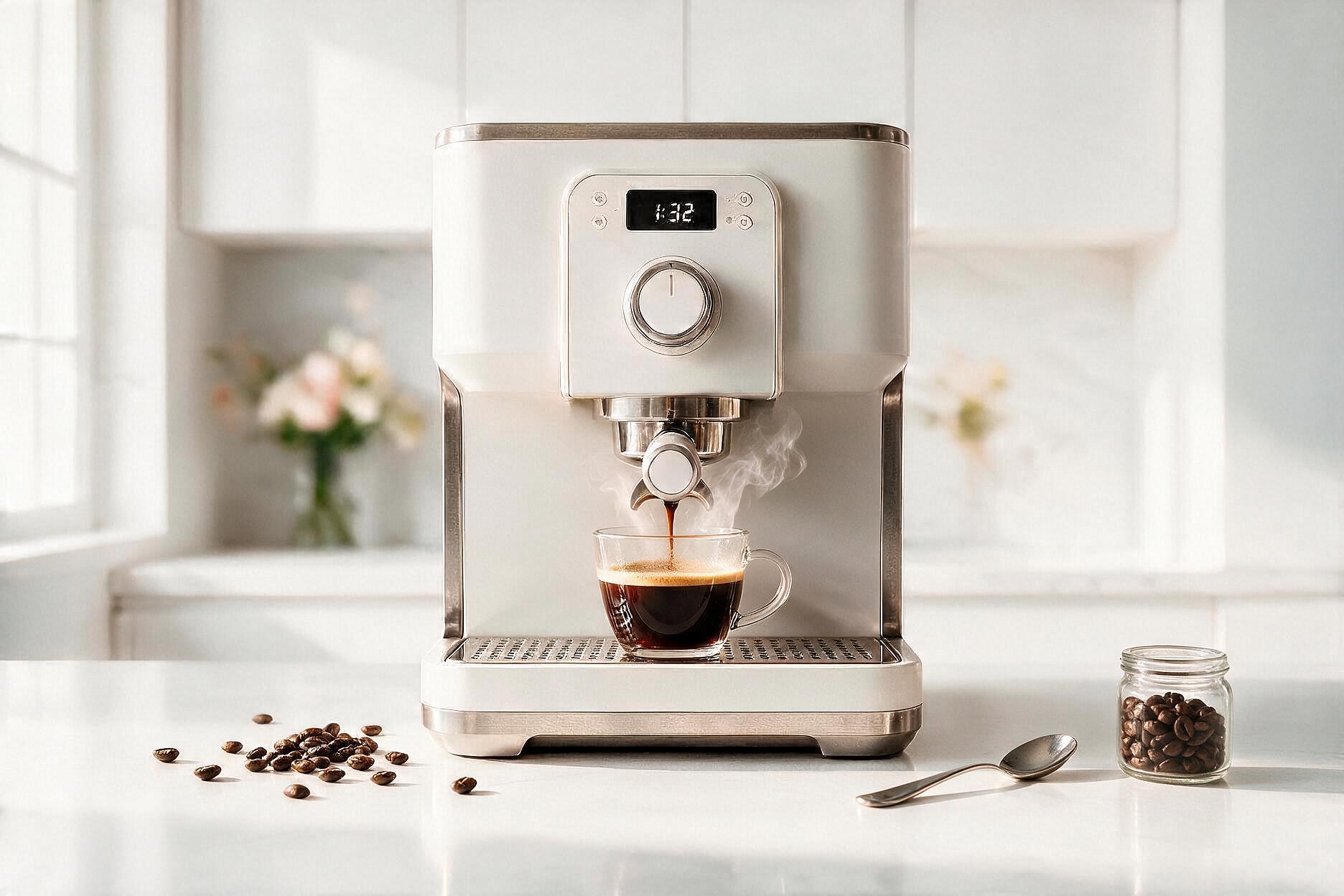
The best coffee machine for a beginner is the one you will use every morning without a learning curve you do not want. Some people want one-button coffee. Others want espresso, milk foam, and a little ritual. In 2026, the range is wide, and the labels on the box can make a simple purchase feel harder than it should.
This buying guide explains the main types of coffee machines, the specs that actually matter, and how to choose a model for home, office, or a small kitchen if you are buying your first machine.
Before you compare brands, write down what you drink most days. If you want a large mug of filter coffee, a drip or drip-style machine is enough. If you want espresso, cappuccino, or latte, you need pressure brewing and a way to froth milk. If you want the least effort, a capsule or pod machine will get you there faster than a bean-to-cup unit.
Also count how many cups you make. One or two drinks a day points to a compact machine. A household of four, or a small office, needs a larger tank, a bigger bean hopper, and a faster heat-up time. Buying too small means constant refills. Buying too large means extra cleaning for coffee you do not drink.
Think about counter space, noise, and whether you want to grind beans at home. Fresh beans usually taste better, but a grinder adds cost, mess, and another thing to clean. Ground coffee and pods are simpler. That trade-off is the real first decision, not the color of the machine.
Drip coffee machines heat water and pour it through a filter basket into a carafe. They are the easiest path to a full pot. In 2026, look for a programmable timer, a keep-warm plate or thermal carafe, and a brew-pause feature so you can pour a cup before the pot is finished. They are best for American-style coffee, offices, and anyone who wants several cups at once.
Capsule or pod machines brew one cup from a sealed pod. They heat fast, stay consistent, and need little skill. The downside is ongoing pod cost, more packaging, and less control over strength. They are a strong beginner choice if convenience matters more than cost per cup. Check that pods are easy to find locally before you commit to a closed system.
Manual or semi-automatic espresso machines give you more control. You grind, dose, tamp, and pull the shot, then steam milk if you want a cappuccino. They can make excellent coffee, but they ask for practice. A beginner can learn, yet this is not the lowest-effort option. Budget for a decent grinder if you go this route. The machine is only half of the setup.
Bean-to-cup or fully automatic machines grind, brew, and often froth milk with buttons or a touchscreen. They cost more up front and need regular cleaning, but they are the closest thing to cafe drinks at home without barista training. For many first-time buyers in 2026, this is the type that feels premium without being intimidating.
Single-serve drip, pour-over kettles, and compact espresso makers still exist for tiny kitchens. They can be great if you drink one cup and do not want a large appliance. They are less ideal if guests come over or if you want milk drinks every day.
Pressure is the spec espresso ads talk about most. Home espresso is usually listed at 15 bar. What you want is stable brew pressure around 9 bar at the puck, not a bigger number for its own sake. For drip and pod machines, pressure is less important than temperature control and water flow.
Wattage tells you how quickly the machine heats. Higher wattage often means less waiting, which matters on a weekday morning. A slow heat-up is annoying if you want coffee before work. It is less of an issue if you brew once and leave a carafe on the warmer.
Water tank size decides how often you refill. A 1 liter tank is fine for one person. A 1.8 to 2.2 liter tank is more comfortable for a couple or a small office. A tank you can remove and fill at the sink is easier than one you have to pour into on the counter.
If the machine has a grinder, check hopper size, grind adjustment, and whether the burrs are metal. A built-in grinder is convenient, but cheap grinders can be noisy and inconsistent. For espresso, grind quality affects taste more than most of the buttons on the front panel.
Milk systems split into steam wands, automatic frothers, and milk carafes. A steam wand gives better texture if you learn it. A carafe system is easier and faster for beginners who want cappuccino without technique. If you drink black coffee only, skip the milk hardware and save money.
Buy a drip machine if your house drinks a pot, you want the lowest cost per cup with ground coffee, and you do not need espresso foam. It is the most beginner-friendly option for volume.
Buy a pod machine if speed and consistency matter more than anything else. It is the easiest first coffee machine, especially for small apartments and offices where several people want different drinks. Just add the long-term pod price into the budget.
Buy a bean-to-cup machine if you want espresso-style drinks from whole beans with little daily effort. It costs more, needs descaling and brew-unit care, and rewards you with better aroma than most pods. For many 2026 buyers who want one appliance to do almost everything, this is the upgrade path.
Buy a semi-automatic espresso machine only if you enjoy the process. It is a hobby as much as an appliance. If you want coffee in under two minutes with no learning curve, it is the wrong first machine.
Programmable strength, cup size, and a timer help more than extra drink names on a touchscreen. A good drip machine with a thermal carafe keeps coffee tasting better than a cheap hot plate that cooks the pot. Auto shut-off is a safety feature you want in any beginner machine.
For espresso and bean-to-cup models, a proper descaling program, a removable brew group, and clear alerts for empty tank, empty beans, or full drip tray make ownership easier. A machine that tells you when to clean will last longer in a first-time home.
Noise, footprint, and cup clearance matter on a real kitchen counter. Tall travel mugs need enough space under the spout. Compact kitchens need a tank that is not trapped against the wall. If you work from home, a loud grinder at 7 a.m. can be a bigger issue than brew pressure.
Skip most of the gimmicks. Wi-Fi coffee is rarely necessary. Dozens of specialty drink buttons do not help if the grinder and temperature are weak. Spend on build quality, a decent mill, and a milk system you will actually use.
Set a budget for the machine and for what goes into it. Pods, filters, descaler, and beans add up. A cheap pod machine can cost more over a year than a mid-range drip or bean-to-cup model if you brew every day.
Entry-level drip machines are the lowest-risk first buy. Mid-range bean-to-cup machines make sense if coffee is a daily habit and you want cafe-style drinks. High-end espresso kits are for people who already know they want to learn. Do not start there unless the ritual is part of the appeal.
Check warranty and local service. A coffee machine with a brew unit, pump, and heater is not a toaster. Spare parts and descaling support from a nearby electronics store matter more than a slightly lower shelf price on an unknown import.
Fresh water, fresh beans, and a clean machine beat most expensive upgrades. Empty the drip tray, rinse the milk system after every milk drink, and descale on the schedule the manual gives you. Hard water areas need more descaling or a water filter if the machine supports one.
Use the grind and dose the maker recommends, then adjust slowly. Beginners often blame the machine when the beans are stale or the grind is wrong. Store beans in a sealed container away from heat. Do not keep a huge hopper of beans if you only brew on weekends.
If coffee tastes bitter, try a coarser grind, a slightly cooler setting if you have one, or a lighter roast. If it tastes sour or thin, try a finer grind or a stronger setting. Small changes help more than buying a second machine in the first month.
If you want the easiest cup with almost no cleanup, get a capsule machine and confirm pod availability. If you want a pot for the family or office, get a programmable drip machine with a thermal carafe if you can. If you want cappuccino from beans without becoming a barista, get a bean-to-cup machine with a milk system you can remove and wash.
If you are still unsure, buy for your weekday morning, not for the drinks you might make on holiday. The machine that fits Monday to Friday is the one that earns its counter space.
What is the best coffee machine for beginners? The best beginner machine is the one that matches your drink and your patience. Pods are easiest. Drip is best for a full pot. Bean-to-cup is best if you want espresso-style drinks with less technique.
Do I need a 15-bar espresso machine? You need a machine that can brew espresso properly, not a bigger marketing number. For drip coffee, bar pressure is not the spec that decides taste.
Is a bean-to-cup machine worth it? Yes if you drink coffee daily, want whole beans, and will clean it. No if you only brew now and then or you do not want descaling and brew-unit care.
Are pod coffee machines expensive to run? They can be. The machine may be cheap, but pods cost more per cup than ground coffee or beans. Count that before you buy.
What size water tank do I need? One person can live with around 1 liter. A couple or small office is more comfortable with close to 2 liters and a tank that lifts out to fill.
A coffee machine buying guide for beginners in 2026 comes down to drink style, cup count, and how much work you want before the first sip. Drip, pods, bean-to-cup, and espresso each solve a different morning. Match the machine to that habit, then look at tank size, heat-up time, cleaning, and local support.
Buy the simplest machine that makes the coffee you already drink. You can always upgrade later. The right first coffee machine is the one that gets used, stays clean, and does not turn breakfast into a project.

By subscribing you agree to our Terms & Conditions and Privacy & Cookies Policy.
